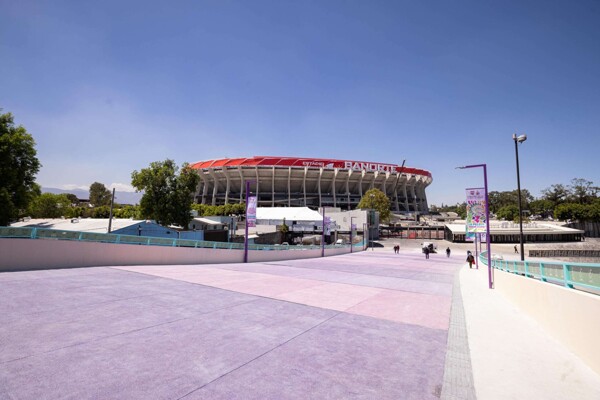
Ahead of the FIFA 2026 World Cup, Mexico City's hotel sector is facing growing operational pressure due to new regulatory measures by Clara Brugada, particularly concerning guest registration. This could lead to longer waiting times and a less agile experience for visitors.
Business leaders in the industry have warned that the obligation to collect, verify, and safeguard detailed information—such as official IDs, check-in and check-out times, and vehicle data—is creating a significant administrative burden. This process not only slows down check-in but also increases risks related to personal data protection, amid a forecasted significant rise in international tourists.
There is also concern over the expanded legal liability for hotels, as the new scheme could lead to sanctions for establishments if crimes are committed by third parties. Hoteliers warn this situation creates legal uncertainty, as the scope of this liability is not clearly defined.
The sector has also expressed concern over a stricter penalty regime, with high fines and even temporary or permanent closures for violations that could result from operational errors, without a clear distinction between administrative infractions and intentional misconduct.
Another critical point is the increase in operational costs due to the requirement to implement video surveillance systems, hire certified private security, and comply with specific protocols. This entails significant investments and recurring expenses, especially for medium and small-sized hotels.
Despite this outlook, business leaders remain positive about the economic boom that the 2026 World Cup will bring, though they insist on the need to adjust regulations to prevent the administrative burden from affecting the city's competitiveness as an international destination.
Congress CDMX will maintain oversight
In this context, Morena deputy Gerardo Villanueva acknowledged that while the capital has advanced in security, mobility, and tourism, significant challenges remain that must be addressed in coordination with the business sector.
He emphasized that the Congress of Mexico City will maintain oversight over the implementation of these provisions and will seek to generate adjustments that allow for reducing regulatory burdens without compromising visitor safety. The legislator highlighted that in 2025, the city recorded a 5% growth in international tourists, as well as a significant increase in revenue from the hotel tax and an economic impact exceeding 150 billion pesos, reflecting the sector's potential amidst global events.
He also stressed the importance of strengthening coordination with the Citizen Security Secretariat to improve the city's international perception and ensure optimal conditions during the World Cup. Regarding video surveillance, he clarified that connecting cameras to the C5 system is limited to public spaces and does not interfere with hotels' internal circuits, thus not violating guest privacy.
Finally, Villanueva reiterated that the goal is to consolidate Mexico City as a safe, competitive, and efficient destination capable of responding to both tourist demand and the operational challenges that the FIFA World Cup 2026 will entail.